
We recommend signing up with your work email to keep all your marketing content in one place


Marketing is part art, part science. A lot of conversion copywriting comes down to writing evocative, memorable copy, while also predicating many of those copy decisions on data around what's worked in the past. Ultimately, the critical point is to always be testing. We've assembled three must-know conversion copywriting principles that your team should be testing on a regular basis.
"AI-powered toothbrush" describes a product, and what it does.
"Brush your teeth faster and better” describes the customer benefit.
Typically, the tendency for marketers is to focus on benefits to users, but the reality is that a lot of times the right copy depends on the channel and funnel stage of the audience.
A prospect earlier in the journey may need more conceptual, value- or benefit-driven copy, whereas a lead further down the funnel and more interested in the nuts and bolts of your product will likely respond better to detail and feature-oriented copy.
Run the hero headline both ways and let demo requests or signups settle it.
Sometimes a generic CTA like "Learn More" or "Get Started" is the right way to go. Other times, you might want more specific contextual CTAs like "See Your Brushing Score" or “Explore AI-powered toothbrushes.”
Test CTAs that are a bit broader vs. more contextual product-specific CTAs and see what does best
Someone typing "best toothbrushes" is early and looking around.
Someone searching "CleanCo toothbrush alternative" has already decided to switch and just needs a destination.
Sending both to the same landing page assumes they want the same information, but this likely isn’t true.
Build separate landing pages – or do two variants of the same landing page, with a header change – for browsing intent vs comparison intent and measure how they convert.
BONUS: Try a team favorite vs. deliberate long shot
A lot of times, folks on a marketing team will fall in line behind a specific idea, or an established internal copywriting convention.
For example, “Say hello to our AI-powered toothbrush, and say goodbye to cavities.”
It’s fine. It’s safe. It’s a little boring.
But sometimes, you'll want to test a total out-of-the-box moon shot.
“A toothbrush so good, even Dracula swears by it.”
Shake things up, ya know? Go ahead and see if something out of left field performs better, so long as it’s still on-brand.
Want to level up your testing and performance prediction?
Anyword makes it easy to generate, improve, and iterate on content, and do it all in a snap. Book a demo today!

Transform the way you do business with our AI writing tool. Sign up for free and explore our powerful tools.
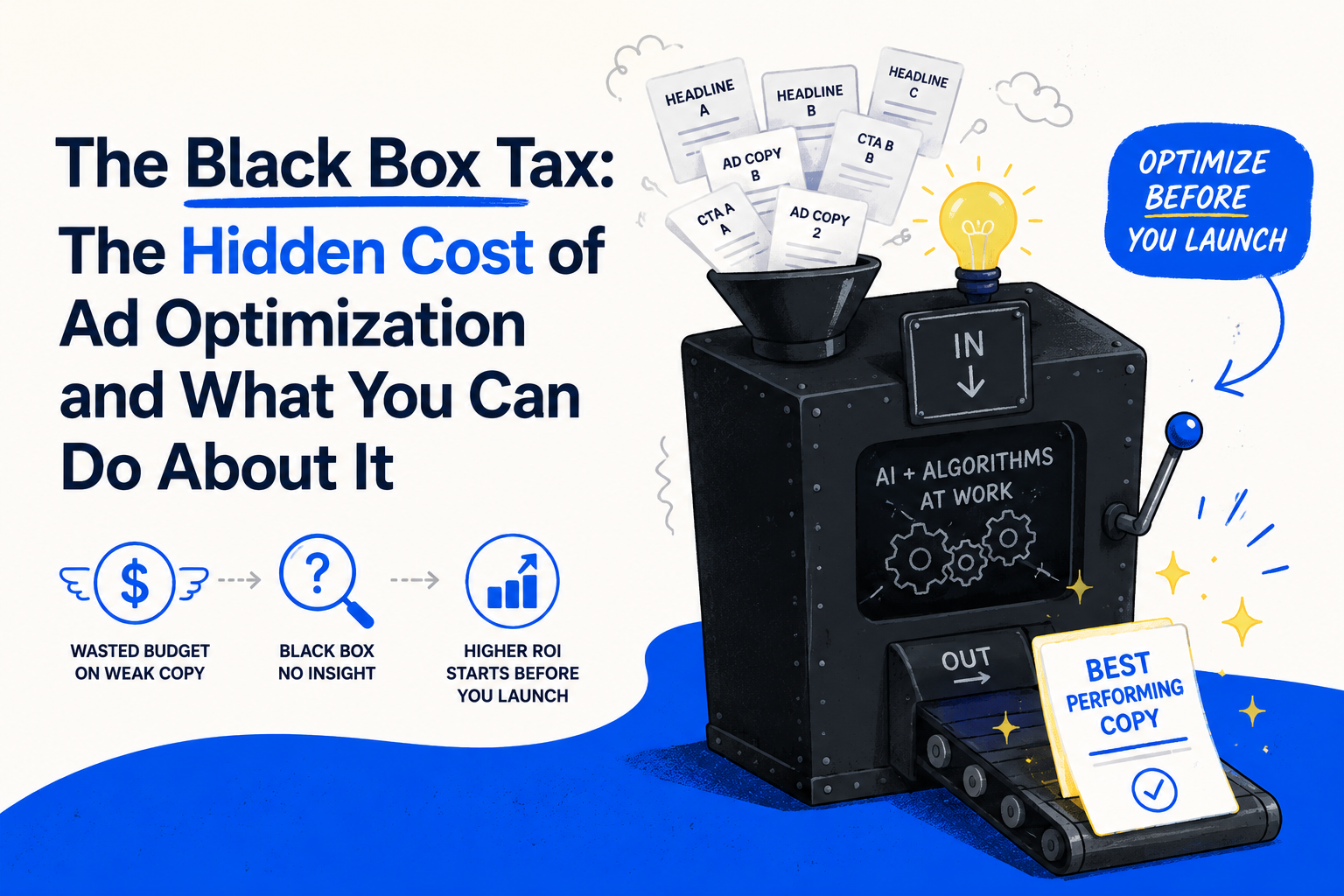
Ad platforms and AI are getting better at optimizing your ads, but they still make you pay to discover what works. Learn how to move beyond the black box by optimizing creative before launch, turning winning insights into a smarter content flywheel, and getting more from every ad dollar.
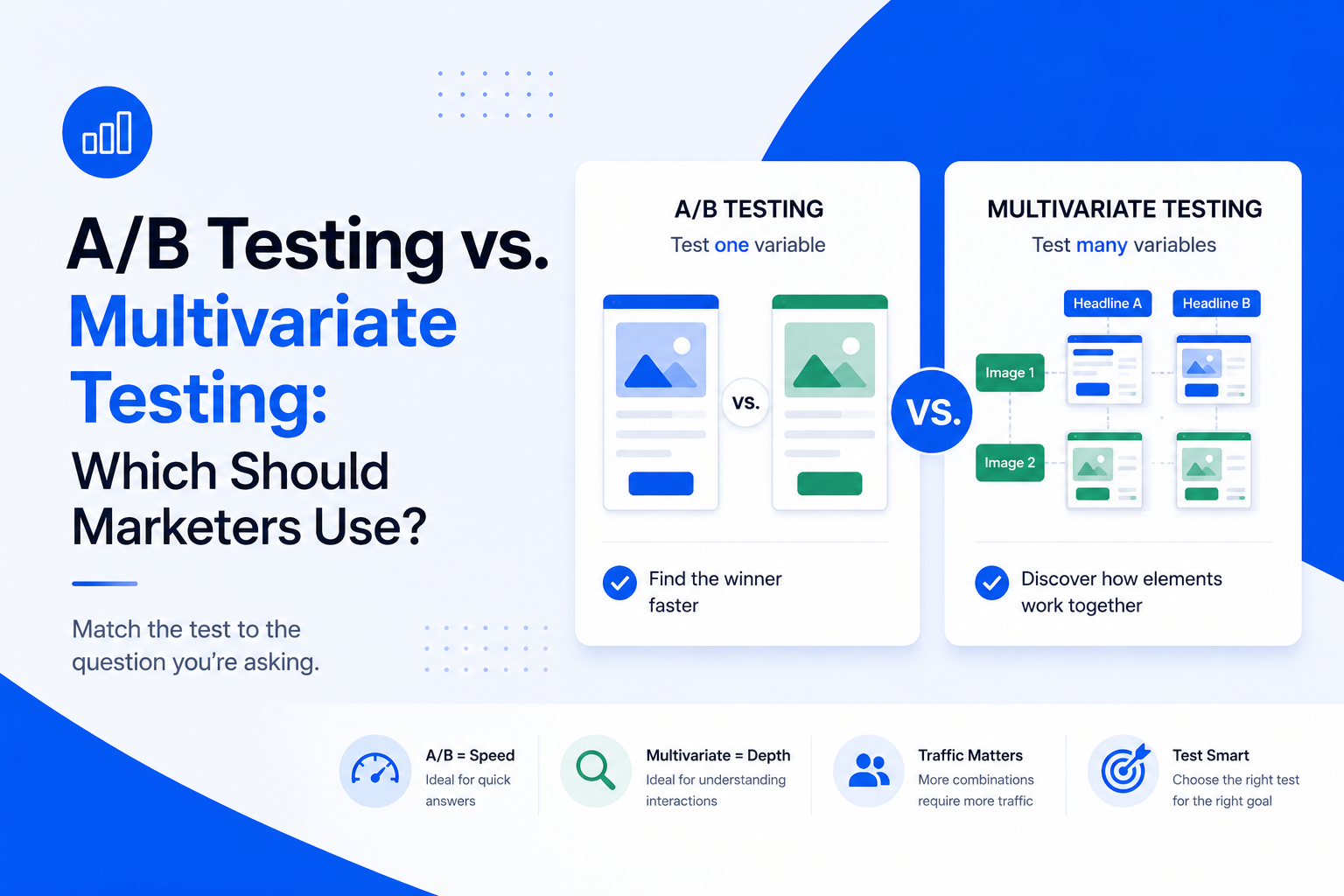
Every marketing team asks the same question: do you test your ideas one at a time, or tackle ‘em all at once? Do you try a million different headlines for “buy our newest toothbrush!” or try two at a time and move forward iteratively?

Brand voice erodes not because teams use AI, but because they skip the definition step and let the tool improvise.
.svg)


